
Healthy Eating Policy
School: SCOIL THOMAIS
What people eat is known to be a key factor influencing health. Research indicates a strong link between diet and performance (e.g. a low sugar intake promotes concentration, lessens hyperactivity, protects teeth, and lessens the risk of diabetes. A low salt intake reduces the risk of heart disease in later life).
Aims:
- To promote the personal development and well-being of the child
- To promote the health of the child and provide a foundation for healthy living in all its aspects.
Objectives:
- To enable the child to appreciate the importance of good nutrition for growing and developing and staying healthy
- To enable the child to accept some personal responsibility for making wise food choices and adopting a healthy, balanced diet.
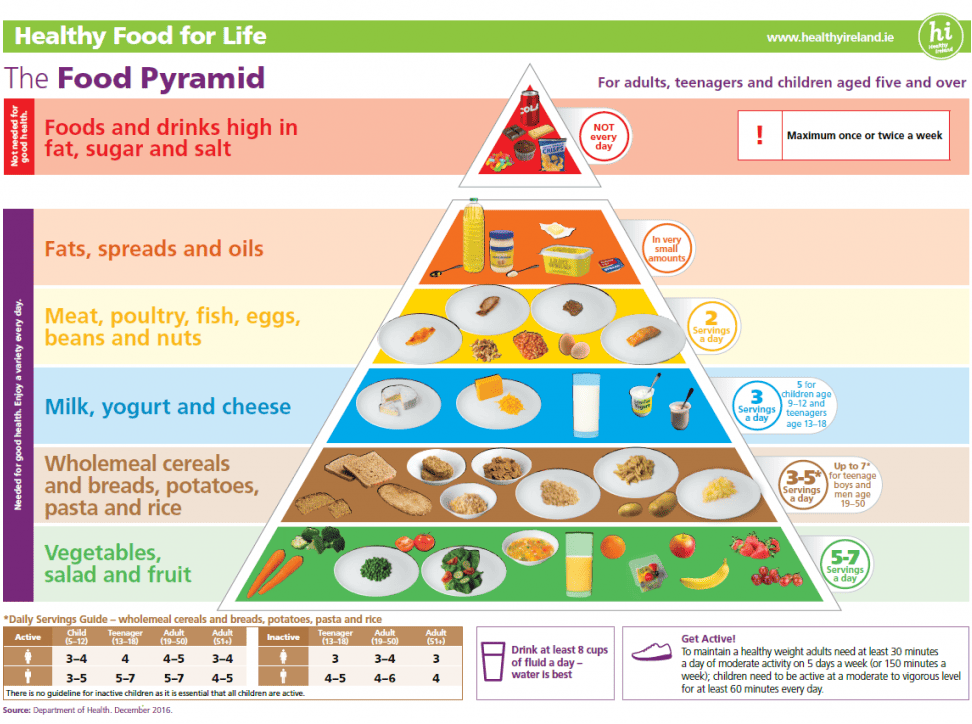
Lunch is an important meal for school-going children. It should provide one third of their recommended daily allowance of nutrients without being high in fat, sugar or salt. It should also provide dietary fibre (roughage). The traditional packed lunch of milk and sandwiches is under attack from a range of convenience foods like crisps, sweets, biscuits, chocolate and soft drinks. Parents and teachers are concerned about this trend but some find it difficult to come up with popular healthy alternatives. We ask you to encourage a healthy lunch right from the start.
The following guide is designed to help you provide quick, appetising and nutritious lunches for your children
| Bread & Alternatives | Savouries | Dairy | Fruit & Vegetables | Drinks |
| Bread or rolls, preferably wholemeal | Lean Meat | Yoghurt –Low fat/fruit | Apples, Banana, Peach | Still Water |
| Rice – wholegrain | Chicken/Turkey | Cheese | Mandarins, Fruit Salad, Orange segments | Milk |
| Pasta – wholegrain | Tinned Fish e.g. tuna/sardines | Grapes, Plums, Dried Fruit | ||
| Potato Salad | Cheese | Cucumber, Sweetcorn | ||
| Wholemeal Scones | Quiche | Tomato, Coleslaw
|
||
| Bread sticks | Pizza (home-made) | |||
| Crackers | ||||
| Pitta bread |
Pupils are encouraged to eat at least one portion of fruit or vegetable during morning snack time.
Milk
Growing children should get approximately one pint of milk a day, or its equivalent as cheese,
yoghurt or milk pudding. This ensures that they get enough calcium, which is essential for healthy bones and teeth.
Permitted / Non- Permitted Food & Drinks
A list of the food & drinks that are permitted and not permitted are outlined in poster format in Appendix 1. This poster will be displayed in classrooms and on parent noticeboard.
We ask that children do not bring the following to school:
Snacks known to be high in sugar, saturated fat, salt, additives and preservatives, including the following:
- Crisps (including crisp-style snacks)
- Non-healthy drinks (including fizzy fruit-flavoured water, diluted juices, )
- Sweets
- Chocolate biscuits/bars
- Cereal bars
- Chewing gum
- Fruit winders
- Hot deli food
- Popcorn
- Nuts
- Nutella
Teachers will give positive feedback to the pupils who are committed to our healthy eating policy. Treats are permitted sparingly during the year (e.g. bake-sale, festive seasons). Otherwise, non – food rewards may be used at the discretion of the teacher (e.g. stickers, homework vouchers, star charts).
Think Before You Put It In. Always Use the Recycle Bin.
With this in mind children are asked to:
- Take home (in lunchbox) all uneaten food, silver paper, wrappings, containers and cartons
- Not bring in cans and glass – for safety reasons
N.B. Parents/Guardians of any child with a medical condition which requires a special diet should contact the school.
This policy was reviewed during the school year 2022/23 and ratified by the BOM. Signed: Brian Kealy Chairperson, Board of Management
Date: 27/09/2022
APPENDIX 1
Food & Drink Permitted Food & Drink Not Permitted
| ✅ | ❎ |
| · Still Water
· Milk · Fruit & Vegetables · Wholemeal Cereals, Breads, Potatoes, Pasta, Rice · Crackers · Cheese · Low fat/ Fruit Yoghurt · Meat, eggs, fish |
· Non-healthy drinks (including fizzy drinks, diluted juices, processed smoothies, flavoured water, yogurt drinks)
· Crisps · Sweets · Chocolate bars · Cereal Bars · Chewing Gum · Nuts · Nutella · Fruit Winders · Hot Deli Food · Popcorn |